
When is sedation dentistry needed?
Sedation dentistry may be considered for patients with significant dental anxiety, previous dental trauma, difficulty tolerating treatment, or certain longer or more involved procedures. The goal is to help patients feel more comfortable and better able to complete the dental care they need.
What options are commonly used for dental sedation?
There are a few different options for sedation. We have nitrous oxide, also called laughing gas, and oral medications that can help you relax. For certain cases, we can also coordinate IV sedation with an anesthesiologist.
In our office, we also offer non-drug approaches for dental anxiety, including Alpha-Stim. We'll discuss the available options and determine what's appropriate based on your health, anxiety level, and the dental procedure you're having.
Who is a candidate for sedation dentistry?
Candidacy for sedation dentistry depends on the individual patient. We look at your overall health, medical conditions, medications, previous experiences with anesthesia or sedation, and the procedure you're having.
If deeper sedation is being considered, we coordinate with an appropriately trained anesthesia provider who reviews your medical history and determines if you're an appropriate candidate and what level of sedation may be suitable.
What is the difference between sedation and general anesthesia?
Sedation dentistry can involve different levels of sedation, including minimal, moderate, and deep sedation. How responsive and aware you are depends on the level being used.
General anesthesia is different from moderate sedation and involves a controlled state of unconsciousness with additional airway and physiologic monitoring requirements. For many dental procedures, lighter levels of sedation may be enough to help a patient feel relaxed and comfortable.
What is nitrous oxide or laughing gas?
Nitrous oxide is also called laughing gas. It's inhaled through a small mask placed over the nose and can help reduce anxiety while you remain awake and responsive. It has a quick onset, and its effects generally decrease quickly once the gas is stopped and oxygen is administered.
Nitrous oxide isn't appropriate for every patient, so we'll review your health history and any relevant medical conditions before recommending it.
How does IV sedation work in your office?
For IV sedation, we coordinate care with an anesthesia provider. Before the appointment, they'll review your medical history, medications, and other health information and provide specific instructions for your procedure.
During the appointment, the anesthesia provider administers and monitors the sedation while the dentist focuses on your dental treatment. The level of sedation is determined based on your medical needs, the procedure, and the anesthesia plan.
After treatment, you'll be monitored during recovery until the anesthesia provider determines that you're ready to leave with your responsible adult escort.
What are the benefits of sedation for anxious patients?
For patients who are anxious or fearful about dental care, sedation can help reduce anxiety and make treatment easier to tolerate. Depending on the type and depth of sedation, some patients may also remember less of the procedure.
The goal is to help you receive the dental care you need while keeping your comfort and safety in mind.
Is sedation dentistry safe?
Sedation dentistry can be used safely for appropriately selected patients when it's administered and monitored by qualified professionals. Like any medication or sedation technique, however, it has potential risks and side effects.
That's why we carefully review your medical history, medications, allergies, and other health factors before determining which type of sedation, if any, is appropriate for you.
How is pediatric sedation different from adult sedation?
Sedation for children is planned based on the child's age, health, anxiety level, ability to cooperate, and the procedure being performed. Nitrous oxide may be appropriate for some children because it provides minimal sedation and wears off relatively quickly.
Other forms of sedation may be considered when clinically appropriate, but pediatric sedation requires careful assessment, dosing, monitoring, and appropriate training. The right approach is determined individually rather than simply based on whether the patient is a child or an adult.
What are the risks or side effects of sedation dentistry?
There are risks and potential side effects with any form of sedation. These vary depending on the medication, depth of sedation, and individual patient's health.
That's why a thorough medical history is important. Conditions such as sleep apnea and certain heart, lung, or other medical problems can affect how sedation is planned and monitored. We'll review those factors before treatment and explain the risks associated with the specific sedation option being considered.
What happens on the day of a dental procedure with sedation?
If we're doing a dental procedure with sedation, you'll receive specific preparation instructions ahead of time. Depending on the type of sedation, these may include instructions about eating, drinking, medications, and arranging for a responsible adult to bring you home.
When you arrive, the sedation or anesthesia team will prepare and monitor you while the dentist performs the dental treatment. Afterward, you'll remain under observation until the provider determines that you're ready to leave. We'll also provide instructions for your recovery at home and any necessary follow-up.
What does nitrous oxide feel like?
Laughing gas, or nitrous oxide, can make patients feel relaxed, light, warm, or a little floaty. It takes the edge off the anxiety without typically making you unconscious. How it feels can vary from person to person.
How long does sedation take to wear off?
How long sedation takes to wear off depends on what type of sedation you receive. Nitrous oxide generally wears off relatively quickly after the gas is stopped. Oral and IV sedation can have effects that last longer, and you may continue to feel drowsy or have impaired coordination or judgment after leaving the office.
If you're receiving oral, IV, or deeper sedation, you'll need to follow the specific recovery instructions provided to you. That may include having a responsible adult drive you home and stay with you for a period of time.
What non-drug options do you offer for dental anxiety?
In our office, we also use non-drug approaches to help patients with dental anxiety. We offer things such as a weighted blanket, which some patients find comforting.
We also offer Alpha-Stim, a cranial electrotherapy stimulation device that uses electrodes placed near the ears. Some patients use it as part of anxiety management. It's different from dental sedation and isn't appropriate for everyone, so we'll review whether it's suitable for you and explain what to expect.
Can I request sedation for my dental appointment?
Absolutely. If you're interested in sedation, talk to us about your concerns. We can discuss your anxiety level, medical history, and the procedure you're having and determine which comfort or sedation options may be appropriate for you.
Can sedation be used for different dental procedures?
Sedation can be considered for many different dental procedures, from routine care in patients with significant dental anxiety to more involved procedures such as implant treatment. The type and level of sedation need to be appropriate for the patient and the procedure, so we evaluate that individually.
How do you prepare for an appointment with dental sedation?
How you prepare depends on the type and depth of sedation you're receiving. Your anesthesia or dental team will give you specific instructions about eating and drinking, medications, transportation, and what to do before and after your appointment.
It's important to follow those instructions exactly rather than relying on a general fasting rule, because preparation requirements can differ depending on the sedation technique and your medical needs.
At Dominion Smiles, you come first. Whether you need dental care or simply have questions, call us at (210) 866-8730 or email [email protected] to schedule your visit. Our team is here to help you every step of the way.
We are proud to partner with Elite Anesthesia, a specialized team dedicated to delivering safe, comfortable office based anesthesia care.
Elite’s providers are board certified anesthesiologists and certified registered nurse anesthetists with extensive training in patient monitoring, airway management, and anesthesia safety. Their role is singular and focused: to care for you throughout your procedure.
From pre-procedure evaluation to recovery monitoring, Elite uses hospital level protocols and advanced monitoring equipment within our office setting. This collaboration enhances patient safety, improves comfort, and allows our clinical team to focus fully on delivering excellent care.
Your comfort and safety are our priority, and Elite Anesthesia helps us uphold that commitment.
Comfort and Safety You Can Trust
We understand that anxiety or discomfort can prevent patients from getting the care they need. That’s why we’ve partnered with Elite Anesthesia to provide safe, professionally administered anesthesia within our office.
What this means for you:
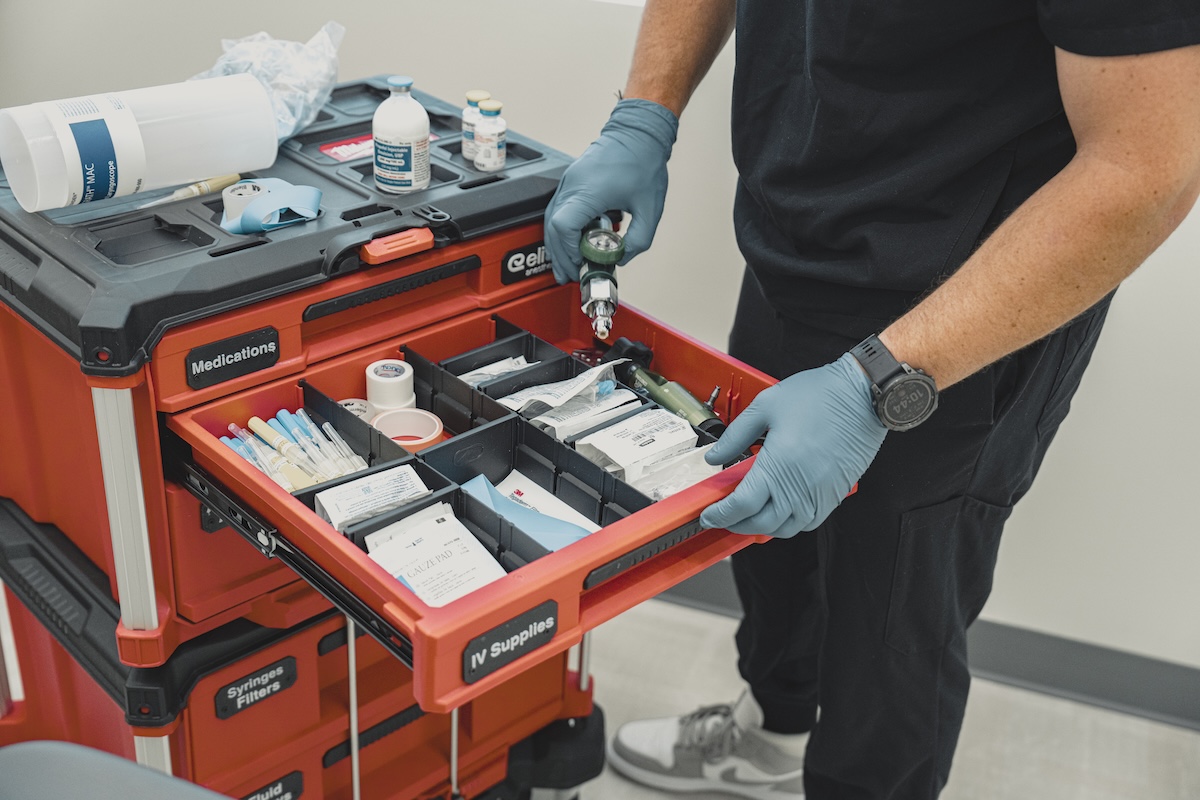
A dedicated anesthesia provider focused solely on your monitoring and comfort. Advanced monitoring equipment throughout your procedure. Personalized anesthesia plans based on your health history. Continuous supervision before, during, and after treatment.
What to Expect Before Your Procedure
Before your appointment, your anesthesia provider will review your medical history and medications to ensure anesthesia is safe and appropriate for you. You may receive instructions about eating, drinking, or medications beforehand.
If deep sedation or general anesthesia is planned, you’ll need a responsible adult to drive you home.
Our goal is to make sure you feel informed and prepared.
What to Expect During Your Procedure
A dedicated Elite Anesthesia provider will be with you from start to finish, focused entirely on your safety and comfort.
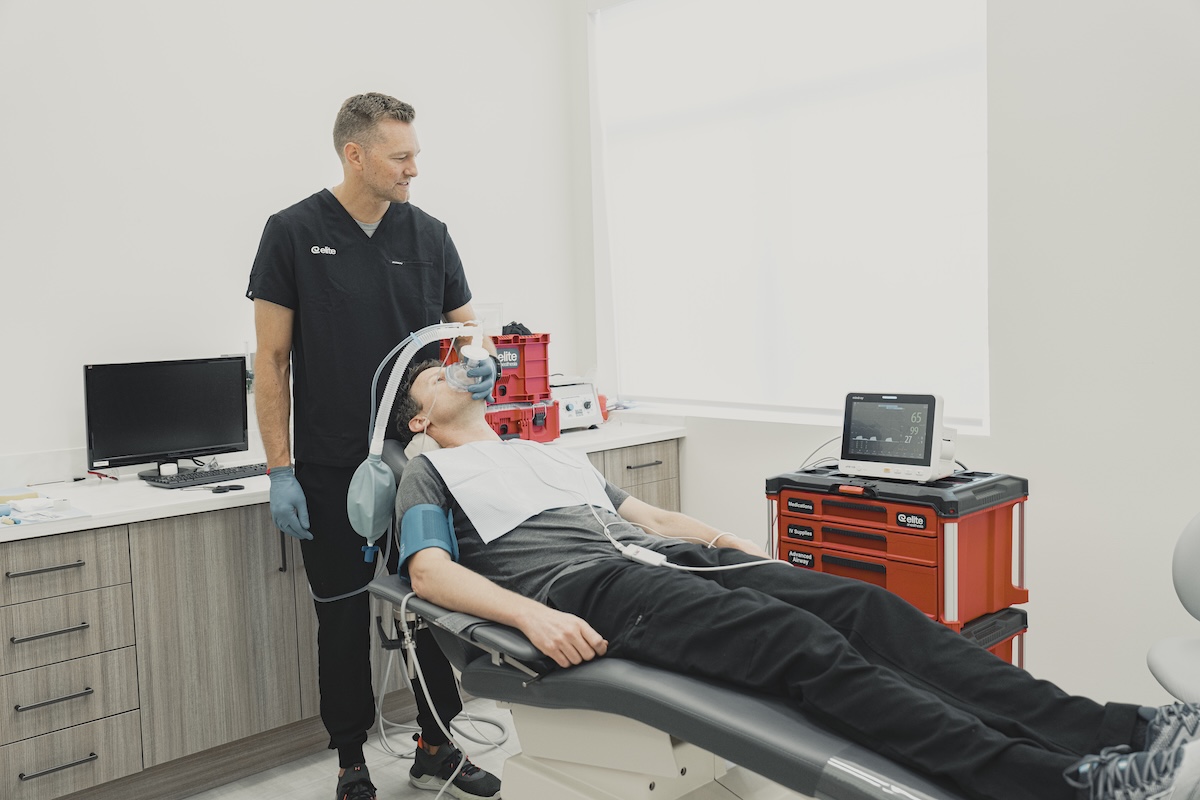
You will be continuously monitored using advanced equipment that tracks breathing, heart rate, blood pressure, and oxygen levels. Your anesthesia plan is personalized to your health history and procedure.
What to Expect After Your Procedure
You’ll be monitored in recovery until you’re ready to go home.
Mild drowsiness is normal. You’ll receive written aftercare instructions and should plan for a restful remainder of the day.
Most patients describe the experience as smooth and comfortable.